
Artist Interview: Zhicheng Lai
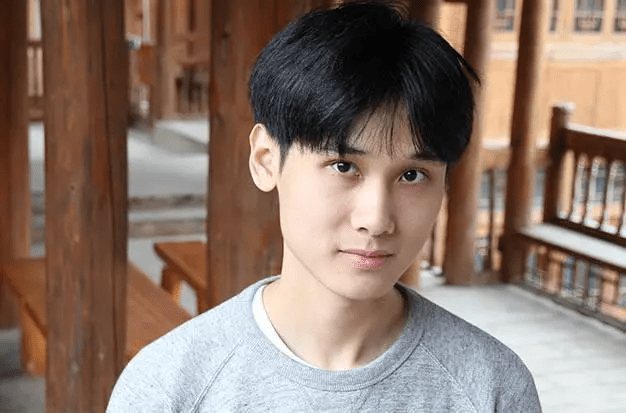
Zhi Cheng Lai: A Bold and Distinctive Contemporary Artist
Zhi Cheng Lai’s art stands out for its unique style, featuring high saturation, bold colour contrasts, and daring use of hues. Invited to the Panda Art Museum during the Universiade, Lai’s work was exhibited alongside that of renowned artists such as Wu Guanzhong, Wu Zuoren, and Han Meilin, showcasing the vitality of a fusion between contemporary art and traditional Chinese painting to an international audience.
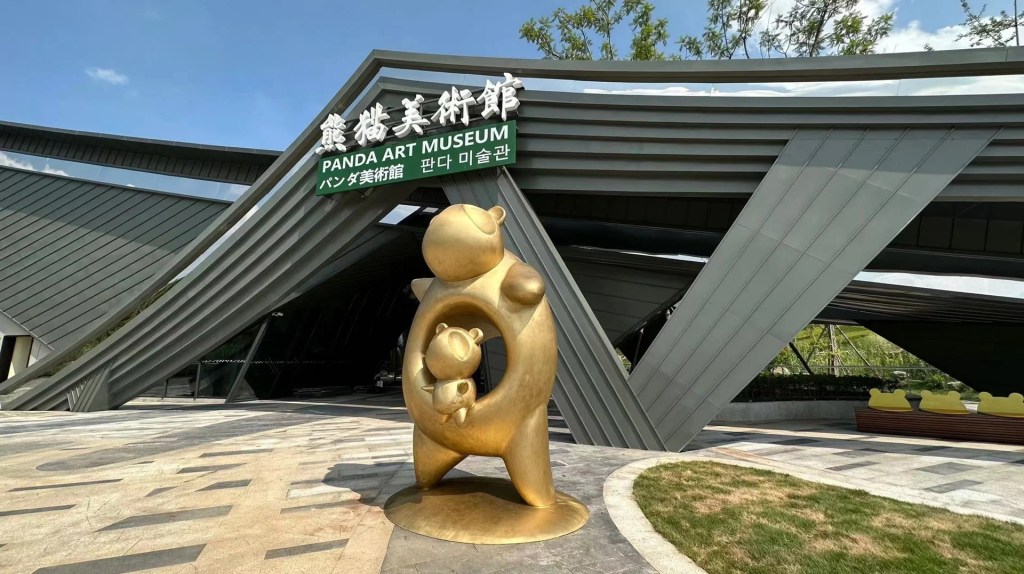
From a young age, Zhi Cheng Lai has been passionate about painting pandas. Drawing from the cultural background of his generation, he injects Gen Z trends such as anime, cartoons, and graffiti into his work. Using pandas as an artistic medium, he has created a unique symbol, DARTPANDA. Moving away from the typical cute depiction of pandas, Lai has crafted characters with distinct personalities—rebellious and humorous, appealing to young contemporary collectors. His work has been exhibited worldwide.
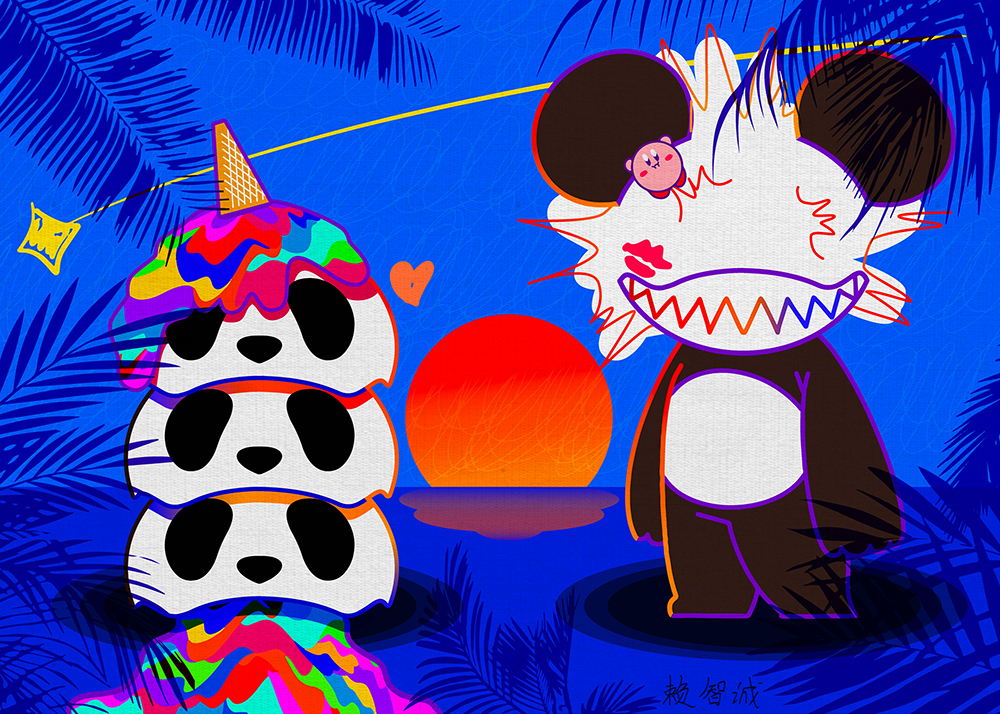
“Sunrise”
As China’s international status grows, so does the improvement in quality of life and cultural confidence. The panda, as an artistic subject, no longer has to be simply “cute”; it can embody a more confident and distinctive personality. Zhi Cheng Lai has created diverse and individualistic panda figures, which he hopes to share with those of us who refuse to conform. In this increasingly diverse society, he encourages people to stay true to themselves and enjoy their innate uniqueness. The concept of “Natural Utopia” is rooted in the hearts of every individual.
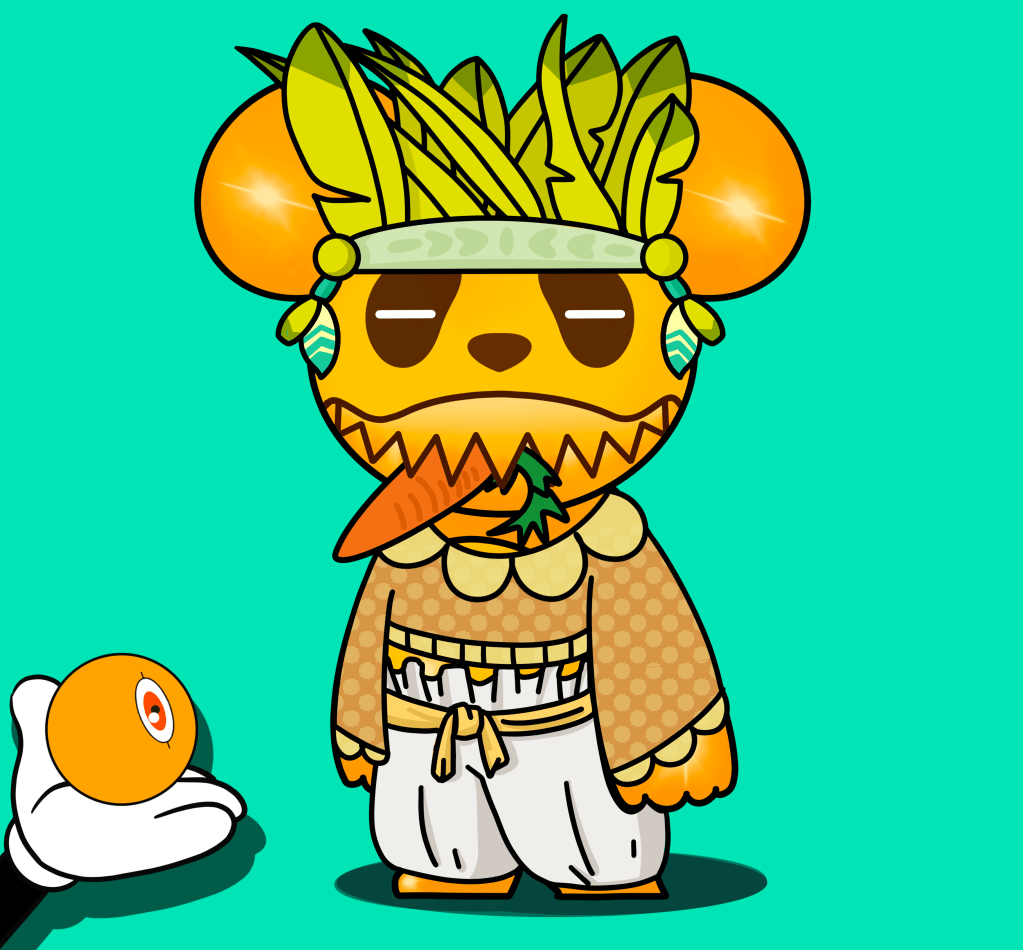
“Chief”
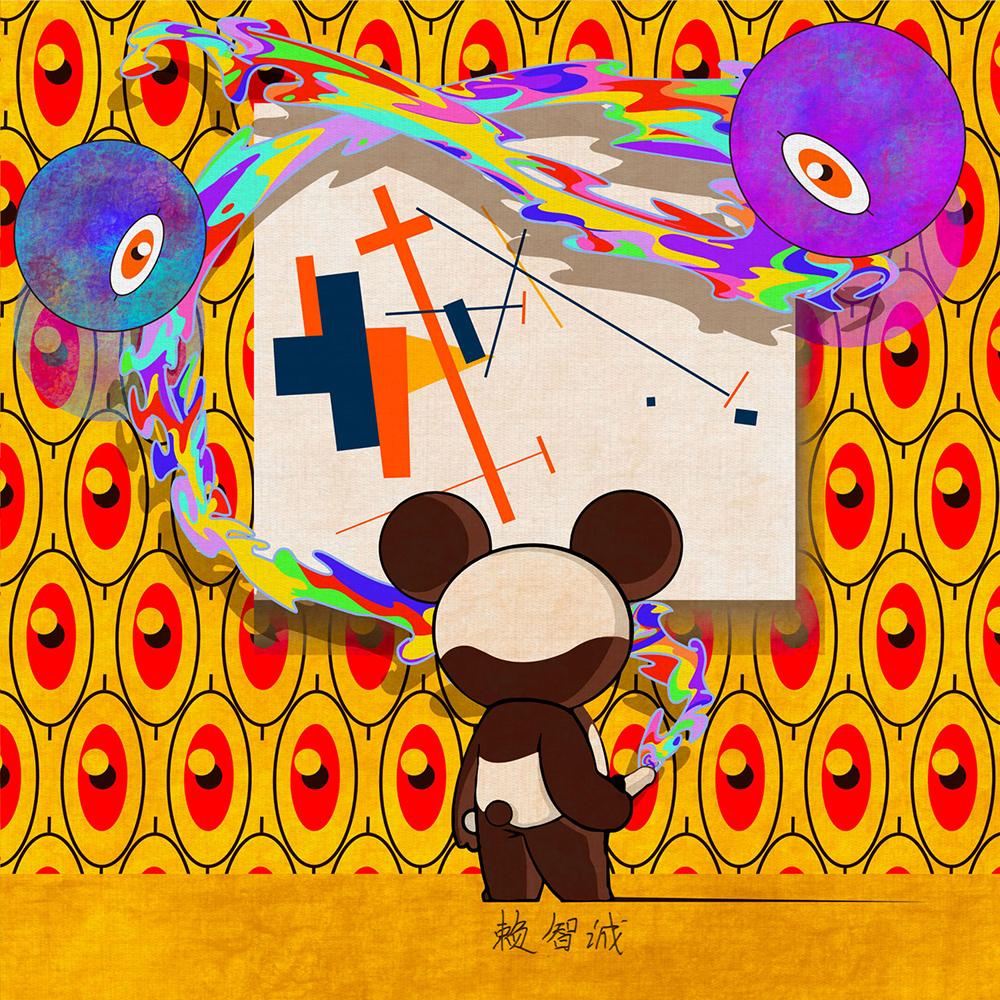
In this work, Lai uses materials, colors, and forms to reflect on the current state of people’s spirits and the struggles they face in society today. The piece criticizes the lack of freedom in artistic commentary and the coercive subordination of individual consciousness to collective culture. Through countless pairs of eyes, he expresses the suffocating feeling people experience when confronting these societal dilemmas.
“Bringing Art Closer”
Eyes are omnipresent in this piece, representing more than just simple observation. When I, as an individual, look at the world, it seems to focus back on me, making me the center and giving me a sense of complete freedom—an experience of transcendence, as described by Sartre’s concept of “subjective self.” However, when I realize that I am being observed, I become the object of someone else’s gaze. Under their scrutiny, my identity shifts. “In my actions, I regard the attention of others as one of my possibilities,” reflecting a sense of alienation and objectification. My personal freedom is stripped away, and the observer becomes the subject in my eyes. The world I constructed for myself collapses, as Sartre describes, “the other is hell.”
In this piece, the panda dances madly under the gaze of fate, mocking and entertaining itself. Yet the eyes remain unyielding, as if fate is mercilessly mocking ordinary people.
“Resistance”
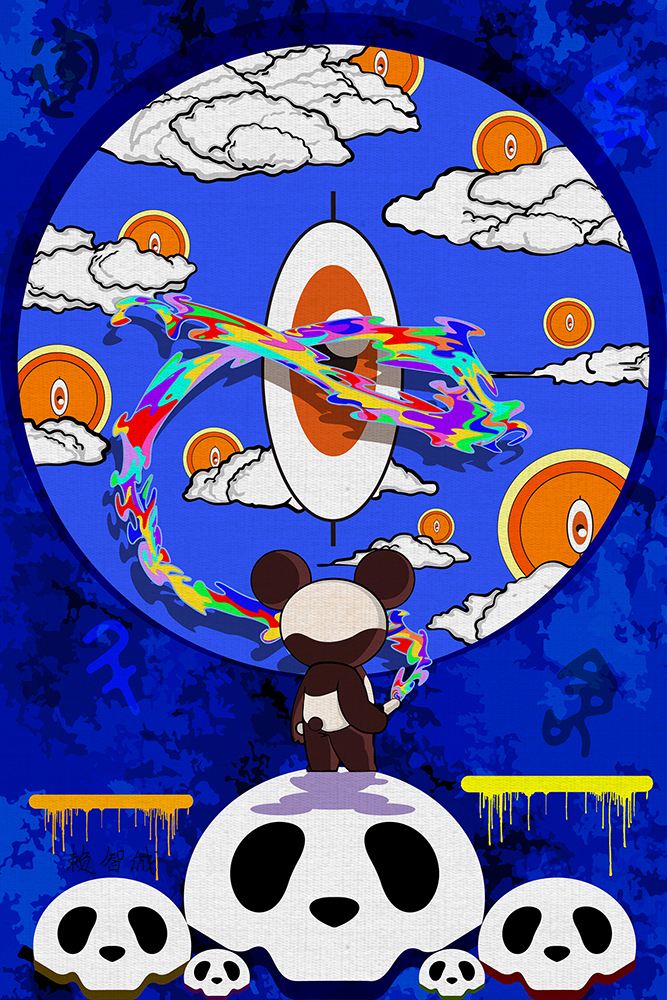
Early in his career, Zhi Cheng Lai was known for his abstract art. However, as he progressed in his artistic journey, he found abstraction limiting when trying to convey specific meanings and stories. Drawing from personal life experiences, Lai had an epiphany and developed his own style—one that could simultaneously express abstract meaning, narrative, and symbolism. This led to his current thematic work.
In Lai’s work, the panda symbolizes the self, while the wandering eyes represent different cultural ideologies. People live for ideals, carrying the weight of culture, ideals, and dreams. Through his art, Lai contemplates the complexity of spiritual and cultural identity in the process of globalization, exploring the relationship between the self and the other—sometimes opposing, sometimes blending together.
“Fish Tank”
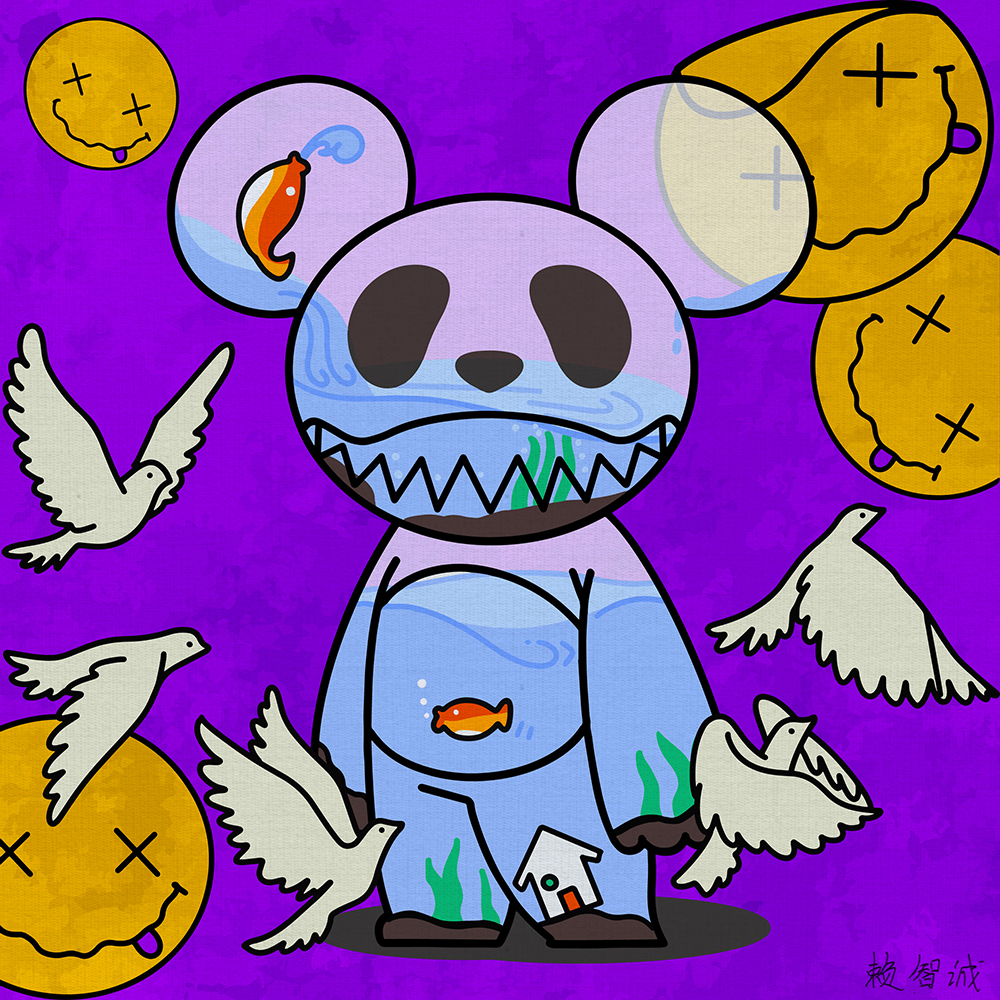
Two pieces from Zhi Cheng Lai’s DARTPANDA series, “Sunrise” and “Fish Tank,” were exhibited at the Natural Utopia exhibition during the 2024 London Design Festival. Both pieces were reserved by collectors during the exhibition, selling for £1,600 and £1,800, respectively.


 Boom Art Associate