
Artist Interview: Pan Huang
The artist’s goal is for the audience to see and hear themselves, recording different environmental experiences through creation and imagination, rather than fabricating nonexistent cultures, meanings, or values.
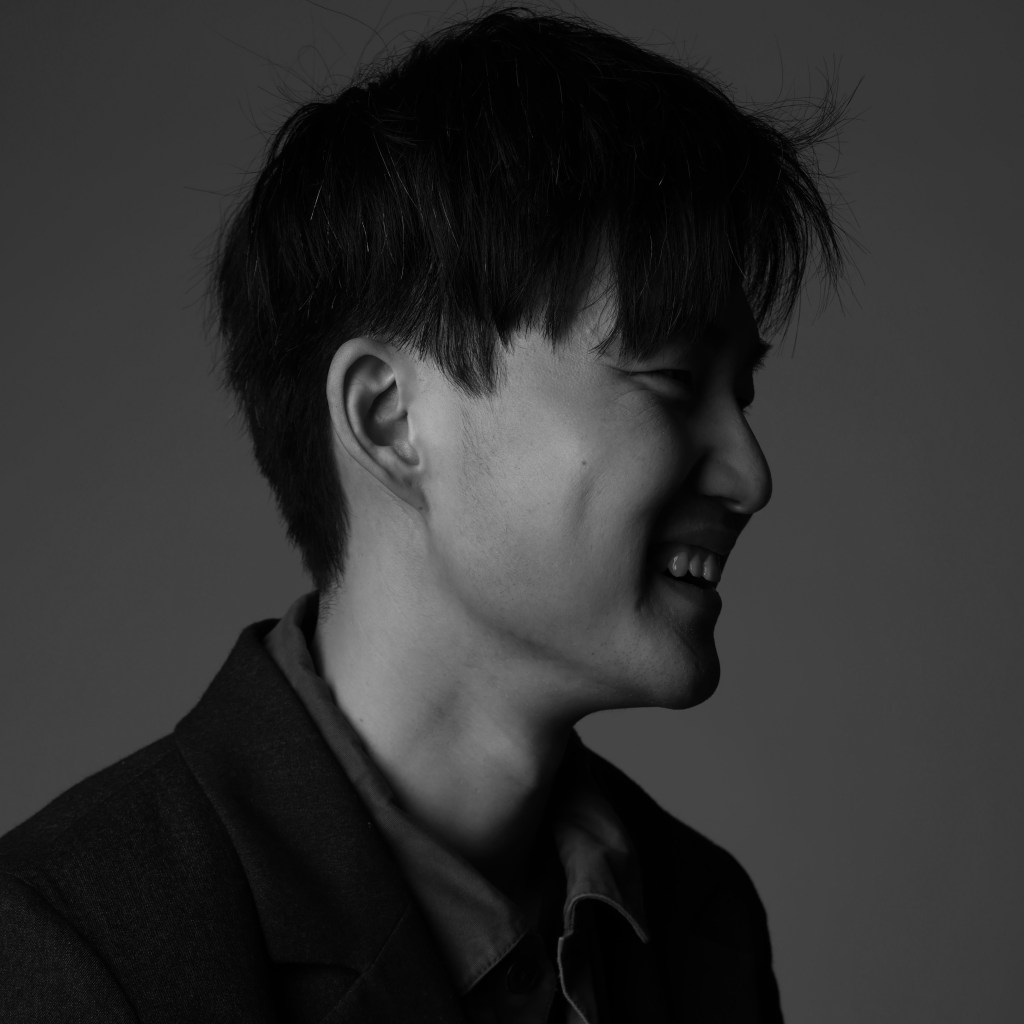
Artist Pan Huang, born in 1995 in China and now based in Swansea, focuses on the emotional visual expression of music.
His unique creative method involves layering figurative images and using the subconscious for emotional creativity.
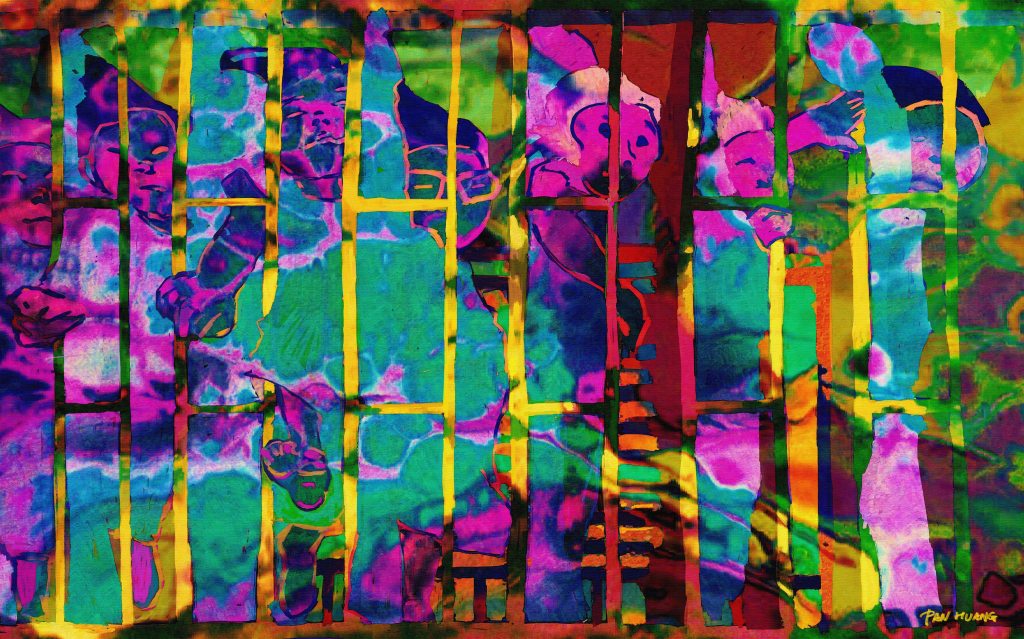
Influenced by Ryuichi Sakamoto’s experimental music, he is passionate about expressing the textures of music and emotion through painting. He is a recorder of emotions, extracting from people’s daily lives but transcending the limitations of time and culture, much like his favorite saying: “Art is eternal, life is short.”
From a young age, Pan Huang had a love for painting and was determined to enter an art academy, quickly advancing to the top ranks in the country. However, he grew tired of exam-focused and academic styles and began creating his own artistic style, pursuing the pure joy of painting itself.
He specializes in abstract emotional expression in art, transcending the boundaries of time and culture, and making the audience the central figures in appreciating his art.
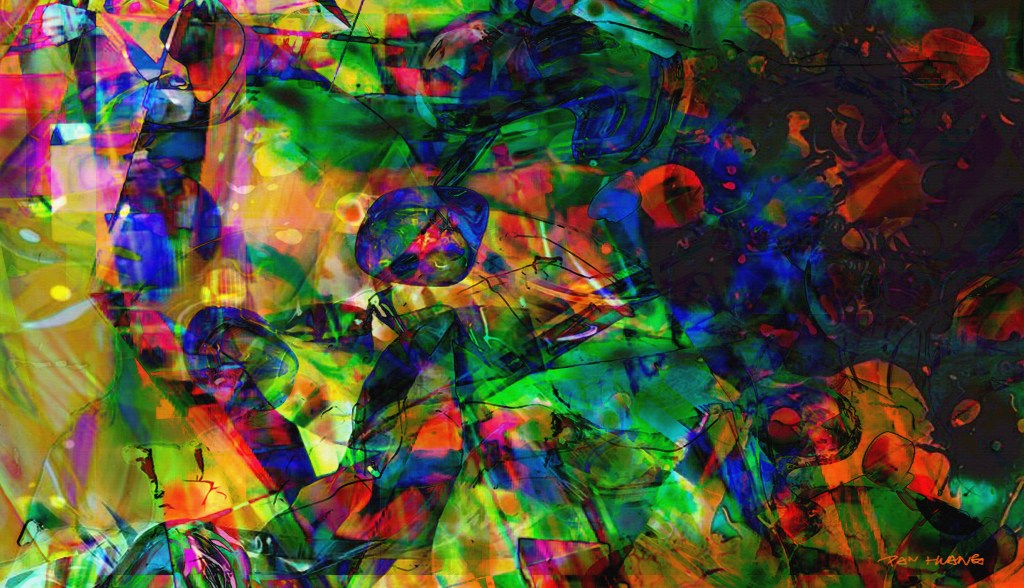
Pan Huang is deeply influenced by Ryuichi Sakamoto’s music, experiencing the emotions and messages conveyed in musical melodies.
He transforms human emotional experiences into visual forms, inspiring imagination and emotional associations.
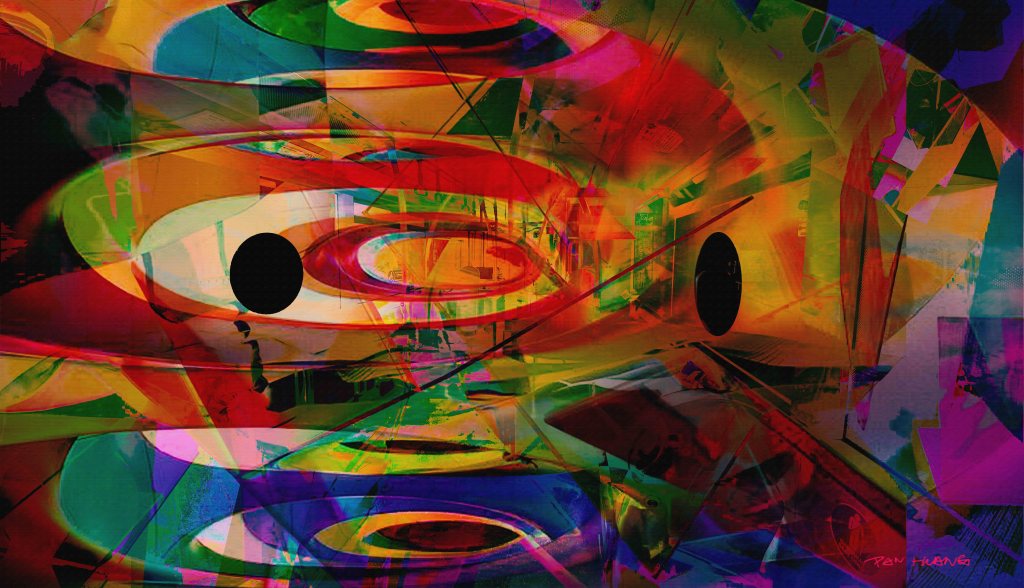
Pan Huang believes that contemporary artists need to spread their innovative ideas and actively respond to societal and cultural issues, contributing positively to society.
Artists should focus on people, giving a voice to those who are suffering. They should emphasise the audience’s experience, offering them imagination and exploration of the unknown.
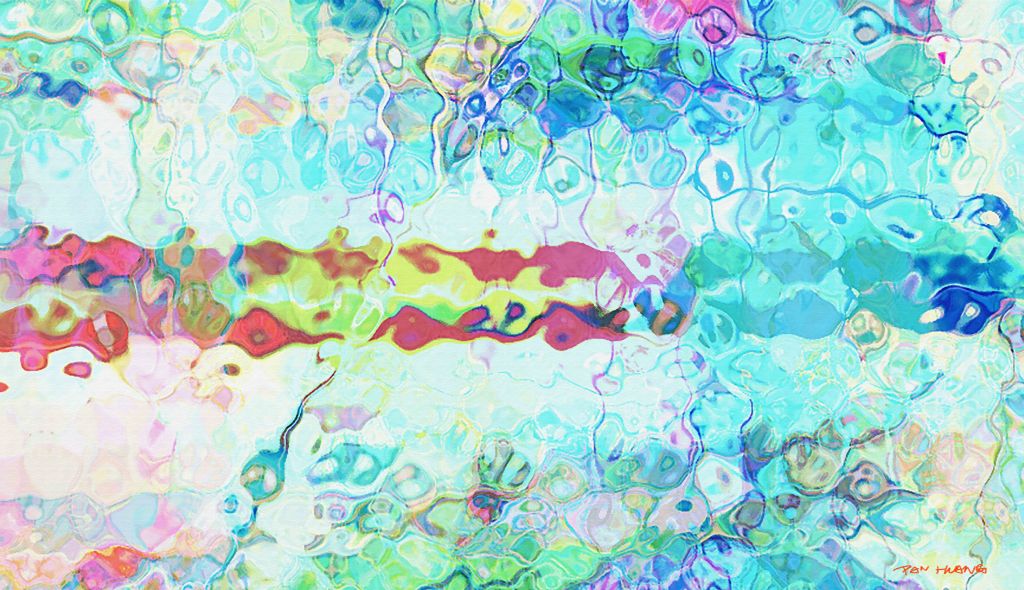
To Pan Huang, Natural Utopia is a place free from worries, where people dance joyfully, without a care in the world.
In many of his works, it is like a microscopic world, full of vitality, like a vast universe brimming with life and emotion. This is also his motivation for creating—crafting captivating landscapes and wonders.

Pan Huang’s creative drive comes from curiosity. It is this exploration of the unknown that encourages people to think about the future.


 Boom Art Associate