
Artist Interview: Kamila Szejnoch
Artist Kamila Szejnoch bases her work on existing urban spaces, adding cultural elements to explore site-specificity and develop new ideas. Her aim is to refresh or remind people of outdated layers of history.
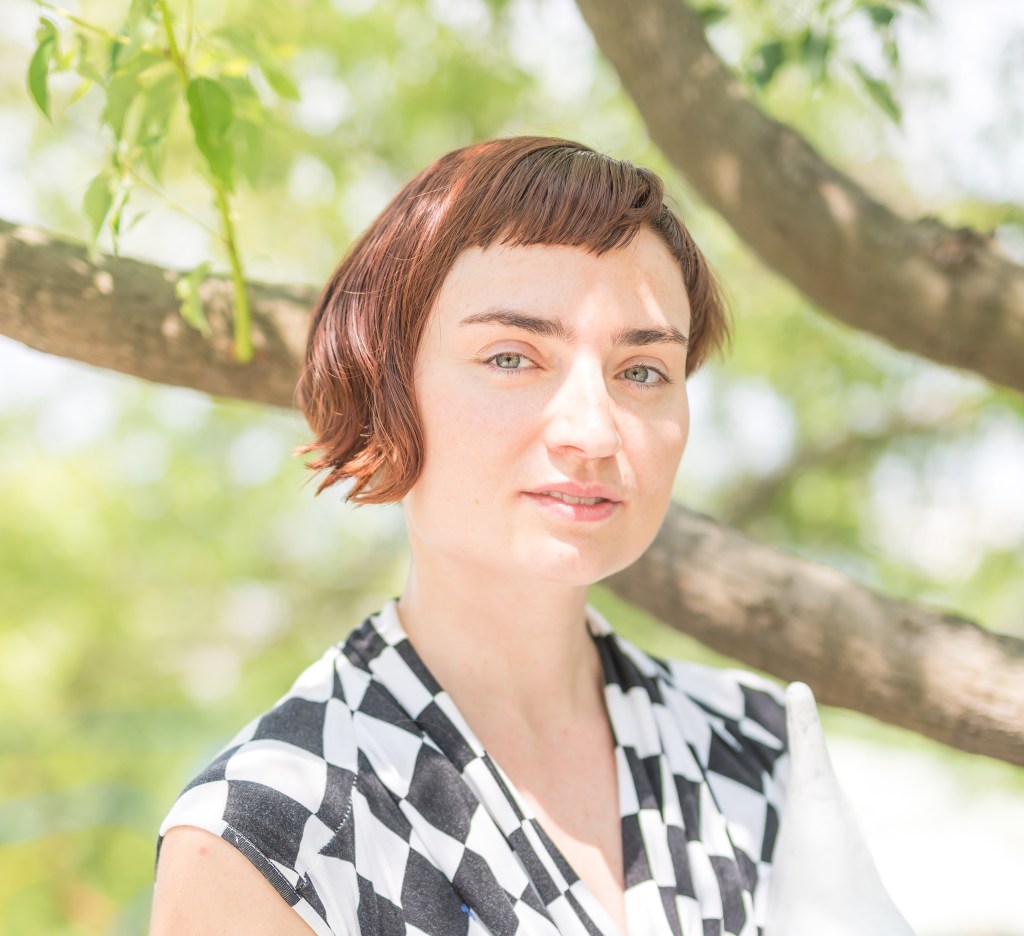
Most of her works consist of two primary elements. One is historical, traditional, or natural, while the other is more modern, open, playful, and interactive.
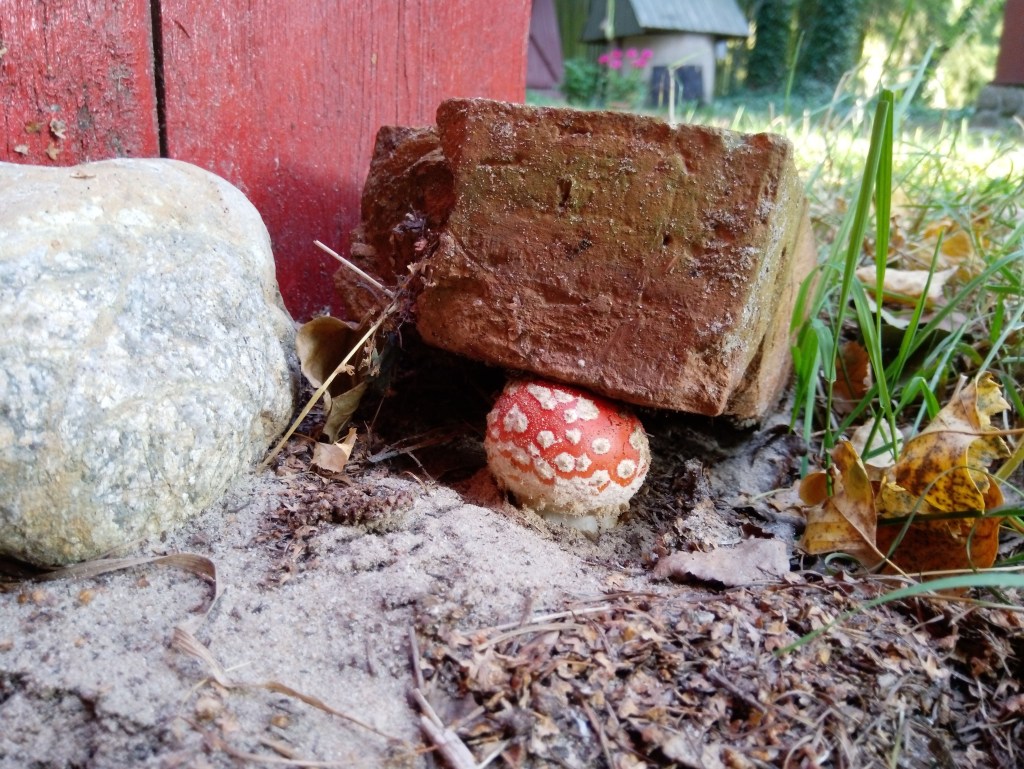
She hopes that her artworks can engage with symbols and locations, bringing them back into the public eye.
Kamila Szejnoch developed a love for drawing and ceramic sculpture from an early age.
Rather than art displayed in “white cube” galleries, she is more interested in “art in context.”
She began with traditional sculpture but gradually moved towards performance, video, and photography. She enjoys studying public spaces and their relationship with the city, exploring the self and others, and is committed to researching social relationships.
In Belgrade, she completed her first public space artwork—a red carpet installation in front of the former Tito Mausoleum—where she became aware of the scale and impact of the urban landscape.
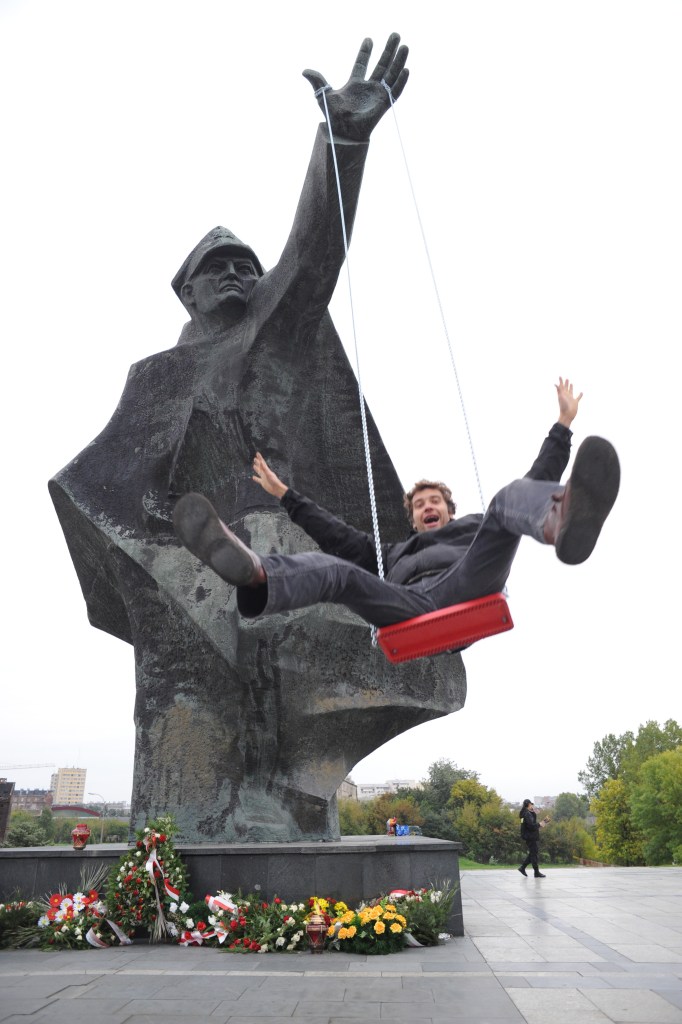
Installation piece “Swing” (20th September 2008)
Cities need to reimagine the function of monuments, like one that once symbolised the “brotherhood” between Poland and the Soviet Union during WWII. She transformed this once grim and closed-off monument by incorporating a swing.
The massive bronze figure of a Berling Army soldier contrasts starkly with the small, powerless individual being “swung” by the hands of history.
From the soldier’s perspective, this monument from a bygone era serves as a rightful tribute to his sacrifice.

This highlights the stark difference between personal memory and collective memory. Her goal is to underscore the complexity of history and to showcase the relationship between the individual and the historical machine.
More recently, her artistic practice has shifted from an urban focus towards natural settings.
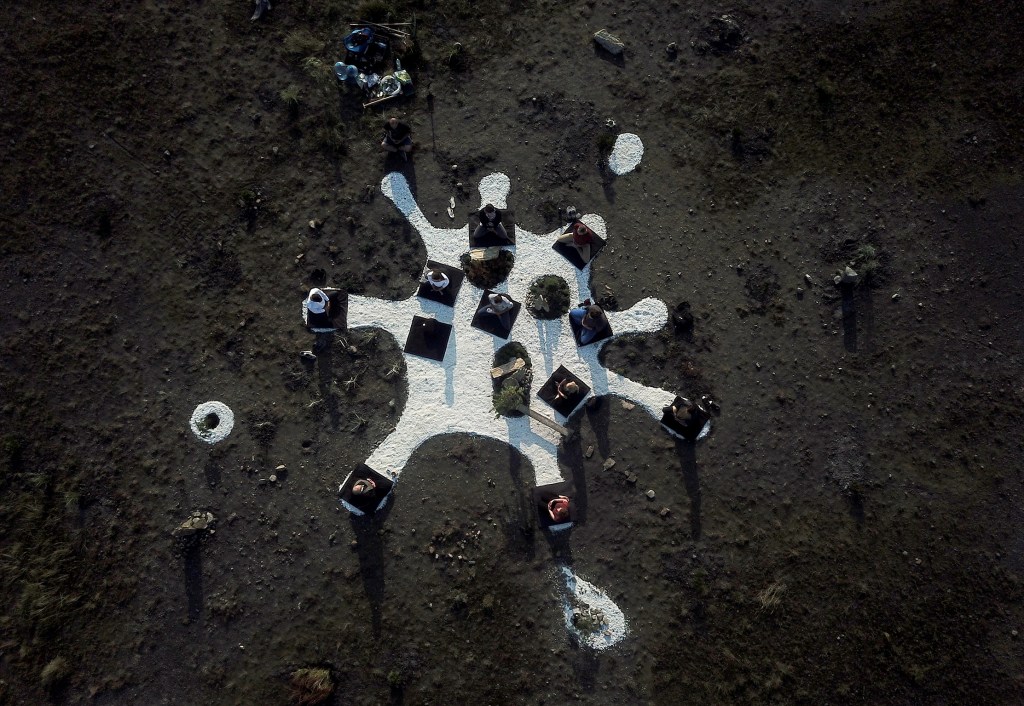
In 2018, as part of the Katowice Street Art Residency in Poland, she created “I Have a Dream.” During an artist residency at the Zongye Art and Culture Centre in Taiwan.
The “I Have a Dream” project was set in an industrial area and included a Zen garden on a slag heap, as well as “The Silesian Dream Book.” The dream book explained archetypal dreams and considered symbols typical of Silesian culture, nature, and history. The Zen garden, made from white gravel, stones, and plants, was created on the Katowice slag heap as a new symbol, and it was included in the “Dream Book.”

Artist Kamila Szejnoch views nature through the lens of cultural, historical, and symbolic exploration. Her approach to natural elements often involves uncovering and reinterpreting forgotten layers of the past, updating and contrasting them with new ideas. In her work, she aims to engage the public by connecting them with these hidden or outdated symbols, often linked to urban or natural environments. By doing so, she brings attention to the intersection between human history, nature, and social significance.
Regarding the concept of Natural Utopia, Szejnoch sees it as a space where nature and society can coexist harmoniously, free from the anxieties of the modern world. While she does not consider art a primary force for ecological transformation, she believes it can play a role in inspiring people to reconsider their relationship with the environment. She points to emerging trends like “green” art, energy efficiency, and the use of sustainable materials as ways in which art can contribute to a more ideal future. Through her work, she seeks to motivate viewers to reflect on their connections with nature and the broader world around them.


 Boom Art Associate