

Global Economic Impact on the Art Market
The art market in 2023 has faced considerable challenges due to high interest rates, the ongoing Russia-Ukraine conflict, and escalating tensions in the Middle East. According to the latest Art Basel and UBS Survey of Global Collecting in 2023, the proportion of art in high-net-worth collectors’ portfolios has dropped from a peak of 24% in 2022 to 19% in 2023. This shift suggests a more cautious approach to collecting, with a greater focus on more liquid financial assets.
In the secondary market, 2023 has been similarly subdued. Christie’s reported a global total estimate of $6.2 billion for 2023, a 25% decline compared to 2022. Major international auction houses like Christie’s, Sotheby’s, Phillips, and Bonhams experienced a 16% decrease in total sales compared to the first half of 2022, though they still surpassed the figures from the first half of 2019, accounting for 84% of 2022’s total sales.
Rise of Third-Party Guarantees
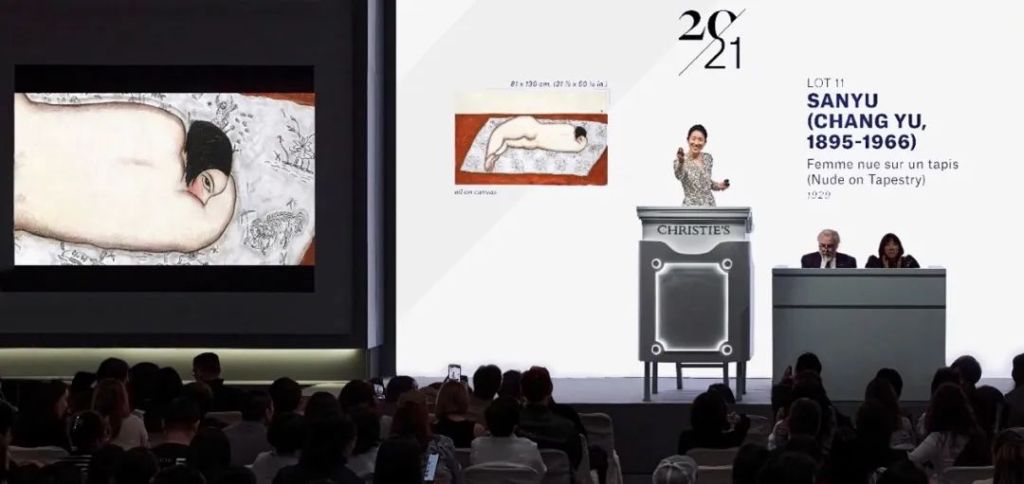
With the international art market’s weakness, third-party guarantees have become increasingly prevalent at auctions. From Christie’s and Sotheby’s to Phillips’ spring and autumn sales in New York, a significant proportion of lots have been guaranteed. For instance, Christie’s Hong Kong sale of 20th and 21st-century art saw its highest sale, a painting by Chang Yu, achieving HKD 187 million. This trend highlights the reliance on third-party backing to ensure auction success amidst a challenging market.
Closure and Restructuring of Galleries
The year’s latter half has seen continued announcements of gallery closures and restructuring. Medium-sized galleries, lacking the financial robustness of major players, are particularly vulnerable. Simon Lee Gallery, established over 20 years ago, declared bankruptcy in July, while the Belgium-based Zeno X Gallery will shut its doors by December. This year has also seen closures of other prominent galleries such as Malin Gallery, JTT Gallery, and FOLD Gallery.
Revival of Asian Art Markets
Amid global economic uncertainties, the Asian art markets are showing signs of revival. In March, Art Basel Hong Kong returned at its largest scale since 2019, capitalizing on the easing of travel restrictions in Hong Kong and mainland China. The event revitalized the local art scene and established connections across the Asia-Pacific region. Similarly, the second Frieze Seoul in September and the Shanghai Art Season in November underscored the reawakening of major Asian art hubs.
Tokyo has also made strides with the inaugural Tokyo Gendai in July and the third Tokyo Art Week in November, highlighting Japan’s stable and growing art market. The debut Tokyo Gendai, granted bonded status, allows international exhibitors to trade without pre-paying customs duties and sales tax.
Singapore’s ART SG in January, the largest art fair in the city’s history, reflects its growing status as an art market center. With its strong financial and cultural infrastructure, Singapore competes with Hong Kong, Shanghai, Tokyo, and Seoul to become a leading art hub in Asia.
Market Slowdown and Impact on Auction Houses
This year has been tough for art transactions. Christie’s reported a global total estimate of $6.2 billion for 2023, down 25% from 2022. The performance of contemporary art auctions in New York, affected by rising inflation and interest rates, showed significant declines. For example, the total sales of nine evening auctions in May from Christie’s, Sotheby’s, and Phillips amounted to $1.4 billion, well below the $2.5 billion achieved in the first five months of the year.
In April, several “ultra-contemporary” artworks saw poor performance, with pieces selling at or below their minimum estimates. Data from Artnet revealed a 30% drop in sales for Impressionist and Modern art and a 23% drop for Post-War and Contemporary art. Despite a minor decline of 6% for Classic Masterworks, their total sales remain among the smallest segments.
Third-Party Guarantees and Their Influence
The economic downturn has increased the attractiveness of third-party guarantees for auction houses. Reports indicate that the third-party guarantee market reached a record $3.4 billion in 2022. However, ArtTactic’s data shows that the average return rate for guarantees dropped to a seven-year low of 11.1% in 2022. In May 2023, significant percentages of lots at major New York auctions were backed by guarantees, reflecting a trend to mitigate risks in a volatile market.
Recommendations for Emerging Artists
For emerging artists navigating the current market environment, the following strategies can enhance their market competitiveness:
Diversify Channels: Emerging artists should actively explore various display platforms, including local and international art fairs and festivals. This approach increases visibility and helps build a broad market network.
Build a Strong Network: Establishing solid relationships with galleries, curators, and collectors is crucial. Participating in artist residency programs and exhibitions can help artists enhance their personal brand and gain more opportunities.
Stay Attuned to Market Trends: Keeping a keen eye on market trends and collector preferences is essential. Adjusting creative direction and market strategies in response to these dynamics can help artists find their niche in an uncertain market.
Optimize Artwork Presentation: The way art is displayed and presented can significantly impact sales. Artists should explore innovative display methods, such as virtual exhibitions and digital art, to meet modern market demands.
Despite the art market’s turbulence, new opportunities and challenges persist. Boom Art advises participants, particularly emerging artists, to remain adaptable to market changes, continually innovate, and leverage available resources to enhance their market competitiveness. The evolving landscape of the art world suggests that while traditional models face strain, new strategies and approaches will be crucial for navigating future trends and opportunities.


 Boom Art Associate
Leave a comment